 Business License

Knitwear Fabric Guide: How to Choose Right Fabrics For Your Apparel Collection
Introduction
Fabric is the foundation of any successful knitwear collection. Wrong fabric selection will lead to unsatisfactory hand‑feel, poor wearing performance, high return rates from end‑customers, and even extra financial loss for your brand. Many new apparel brands focus only on garment styles, while lacking systematic understanding of knit fabric properties, cost range and application scenarios.
Drawing on our 10‑year OEM & ODM export experience of producing knit sets, sportswear and kidswear for USA, Japan, South Africa and other overseas markets, this blog sorts out core practical knowledge for knit fabric selection. It covers mainstream knit material features, key evaluation dimensions, common pitfalls, and actionable advice for brand new collections. This guide helps you make wise fabric decisions for your custom apparel projects.
1. Core Evaluation Dimensions When Selecting Knit Fabrics
Before picking specific fabric compositions, clarify these critical indicators according to your brand positioning and target customer groups.
- Weight (GSM): Grams per square meter directly affects thickness, warmth and silhouette. Light‑weight knit is suitable for spring‑summer items; medium‑heavy weight works for autumn‑winter sweatshirts, jogger sets. Too‑light fabric may look thin and cheap; over‑heavy fabric raises freight cost.
- Hand‑feel & softness: Touch performance matters greatly for kidswear and loungewear. Some fabrics look good on photos but feel rough against skin. Always request physical fabric swatches instead of judging only by pictures.
- Color fastness: Includes washing fastness, rubbing fastness and light fastness. Low color fastness causes fading and color bleeding after washing, which brings large‑volume customer complaints. This item is especially important for kidswear export.
- Stretch & recovery: Different knit structures deliver different elasticity. Sportswear needs good stretch and shape retention; loose casual tops require moderate stretch. Poor recovery leads to sagging cuffs, loose waistbands after repeated wearing.
- Shrinkage rate: Knit fabrics naturally have shrinkage risk. Qualified export fabrics should complete pre‑shrinking treatment. Uncontrolled shrinkage will make finished garments deviate from size specs after first wash.
- Budget level: Fabric usually accounts for the largest proportion of total garment cost. Balance performance and cost, avoid blindly pursuing premium materials beyond your retail price range.
2. Mainstream Knit Fabric Types & Application Scenarios
2.1 100% Cotton Knit
- Features: Skin‑friendly, breathable, comfortable touch; good moisture absorption. Disadvantages: easy to wrinkle, moderate shape retention, will shrink without pre‑shrinking process.
- Best for: Kidswear, casual T‑shirts, basic sweatshirts, loungewear collections targeting comfort‑oriented consumers.
- Notes: Ring‑spun cotton has softer touch compared with carded cotton; pre‑shrinking is strongly recommended for export orders.
2.2 Polyester (100% Polyester) Knit
- Features: Excellent shape retention, wrinkle‑resistant, quick‑dry, low‑shrinkage, rich for jacquard, sublimation full‑printing. Lower cost compared with high‑grade cotton.
- Best for: Sportswear, training suits, fashion jacquard knit sets, promotional apparel.
- Notes: Ordinary polyester may lack breathability. Select moisture‑wicking functional polyester if for high‑intensity sports scenarios.
2.3 Polyester‑Cotton Blend (TC / CVC)
- Features: Combine advantages of cotton and polyester. Cotton brings softness; polyester improves anti‑wrinkle and shape‑keeping performance, reduces shrinkage risk. Cost sits between pure cotton and pure polyester.
- Best for: Daily casual wear, sweatshirt two‑piece sets, mass‑market wholesale apparel.
- Notes: CVC owns higher cotton percentage and better hand‑feel; TC contains more polyester for lower price. Confirm blend ratio clearly in your tech‑pack.
2.4 Cotton Spandex Blend / Polyester Spandex Blend
- Features: Adding spandex (elastane) brings extra horizontal stretch, improves fitting effect and garment resilience. Only small percentage (2%‑5%) spandex is normally used.
- Best for: Fitted sportswear, leggings, body‑friendly loungewear, slim‑fit kid outfits.
- Notes: Too much spandex will increase fabric cost; improper temperature during washing may damage elastic performance.
3. Stock Fabric VS Custom‑Developed Fabric
This choice directly influences your MOQ, lead‑time and overall project risk.
- Stock fabric
Ready‑made fabric kept in textile mill or garment factory warehouse.
Pros: Low MOQ, short lead‑time, stable existing test reports, lower trial‑order risk.
Cons: Limited choices on color, weight and special texture; cannot get exclusive unique fabric.
Fit for: New brands’ first collection, small trial batches, basic‑style mass production.
- Custom‑developed fabric (custom weaving / custom dyeing / special finish)
Develop fabric according to your exclusive color, GSM, texture or functional requirement.
Pros: Unique fabric helps your products stand out from market competitors.
Cons: High fabric MOQ, longer production cycle, extra development cost, new test reports need to be completed.
Fit for: Mature brands with stable large‑volume orders, differentiated high‑end product lines.
4. Common Fabric Mistakes New Brands Should Avoid
1. Select fabric only by online pictures. Screen color and touch cannot represent real fabric. Always ask for physical swatch cards before mass production.
2. Ignore target‑market requirements. For example, kidswear sold to North America and Europe must meet strict fabric safety standards. Confirm test requirements at early stage.
3. Over‑pursue ultra‑low cost fabric. Cheap fabric often comes with problems: bad color fastness, severe shrinkage, rough hand‑feel, which will damage your brand reputation.
4. Forget to mark fabric specification clearly on tech‑pack. Only write “cotton fabric” without GSM, blend ratio, pre‑shrinking requirement, easily causes factory mis‑selection.
5. Neglect seasonal suitability. Use heavy winter fabric for summer‑release styles, resulting in poor market sales performance.
5. Practical Workflow To Confirm Your Knit Fabric
1. Clarify product positioning: target market, selling season, end‑user group, retail price range.
2. Collect physical fabric swatches from your manufacturer, compare hand‑feel, thickness and color in real‑world lighting condition.
3. Confirm key parameters: composition ratio, GSM, pre‑shrinking, color fastness and needed functional treatment.
4. For export orders: check whether fabric can pass required market test standards.
5. Lock final fabric swatch as sealed reference sample before sampling and mass‑production.
Summary
There is no “best fabric”, only the most suitable fabric for your collection. When making fabric decisions, take full consideration of product positioning, end‑user experience, budget, MOQ limitation and target‑market compliance. For startup brands, starting with qualified stock fabric is a low‑risk way to launch your first knitwear line; custom fabric development can be arranged after your brand gains stable sales volume.
Contact Us
If you are sourcing custom knitwear, sportswear or kidswear, we can provide fabric swatch service for multiple knit materials. Share your design concept, target price range and market requirement, our export team will recommend matching fabric solutions for your apparel collection.
Recently Posted
-
Sustainable Knitwear Production: Eco-Friendly Fabrics & Certifications
October 14, 2026Explore sustainable knitwear production for apparel OEM. Learn eco-friendly fabric options, GOTS, OEKO-TEX, GRS certifications and Read More
 -
How to Manage Factory Audit Before Starting Garment OEM Cooperation
October 10, 2026Meta Description: A complete guide on garment factory audit for apparel importers. Learn social compliance, production capacity, q Read More
 -
How to Manage Sample Development for Knitwear OEM: Avoid Common Pitfalls
October 9, 2026Master knitwear sample development workflow for OEM orders. Learn proto‑sample, PP‑sample, pre‑production sample key checkpoints a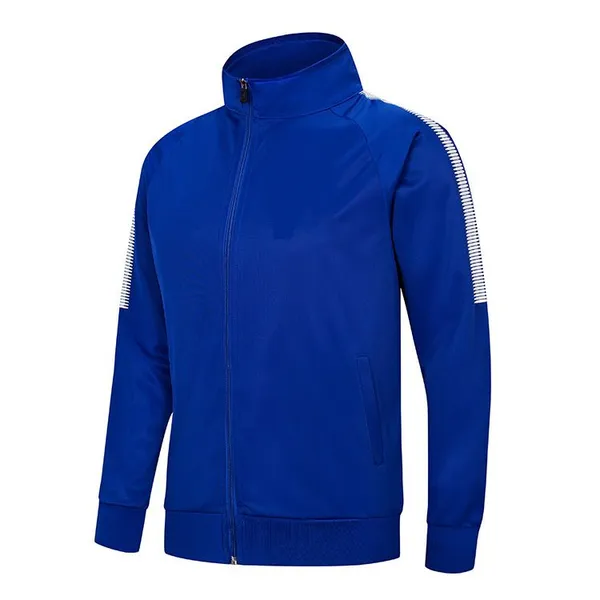 Read More
 -
How to Handle Fabric Shade Variation in Knit Apparel Orders
October 8, 2026Consistent color is one of the most expected yet challenging requirements in knit apparel production. Even with the same color cod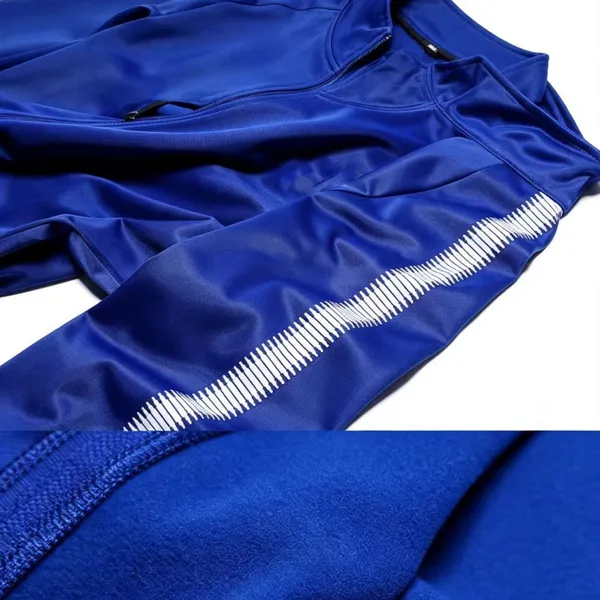 Read More

Contact Us
Recommended Products
-
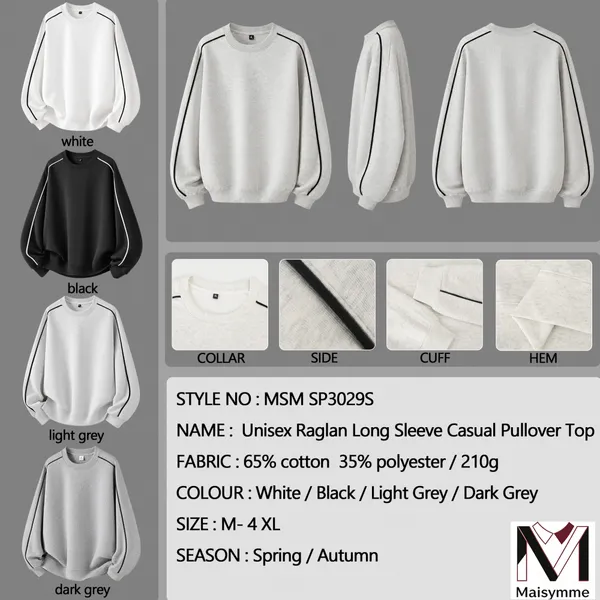
 Wholesale Unisex Raglan Long Sleeve Casual Pullover Top Spring Autumn SweatshirtUS$ 1.8 - 3.8MOQ: 500 Pieces
 -
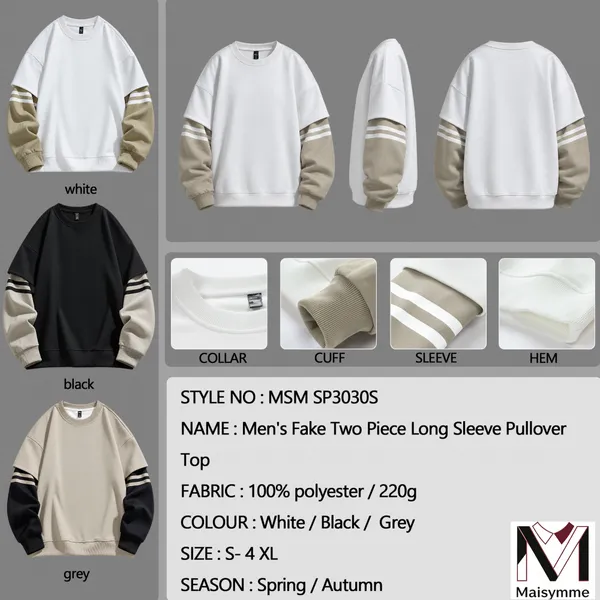
Wholesale Men's Fake Two Piece Long Sleeve Pullover Top 220g 100% Polyester Spring Autumn Casual SweatshirtUS$ 1.8 - 3.8MOQ: 500 Pieces
-
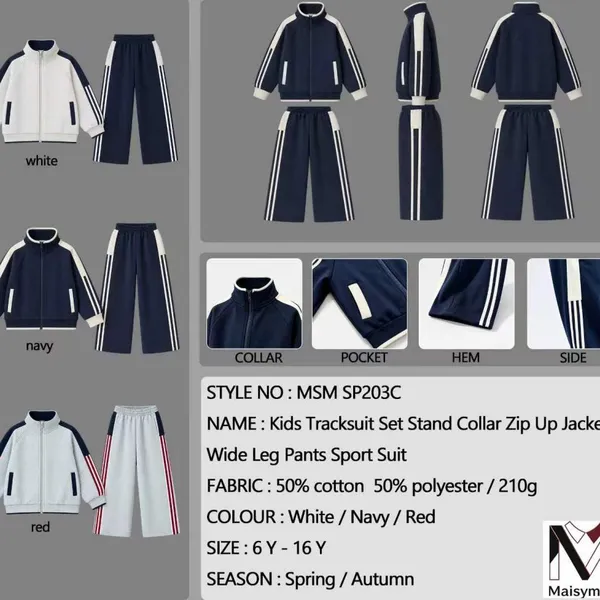
Kids Tracksuit Set Stand Collar Zip Up Jacket + Wide Leg Pants Sport SuitUS$ 1.8 - 3.8MOQ: 500 Pieces
-
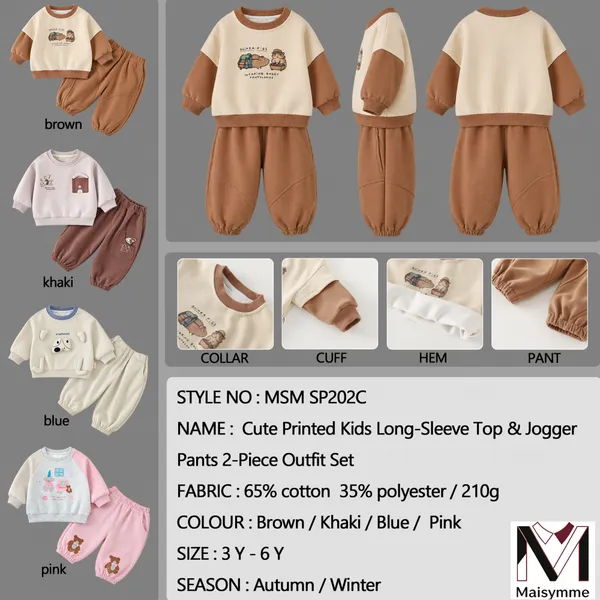
Cute Printed Kids Long‑Sleeve Top & Jogger Pants 2‑Piece Outfit SetUS$ 1.8 - 3.8MOQ: 500 Pieces
-
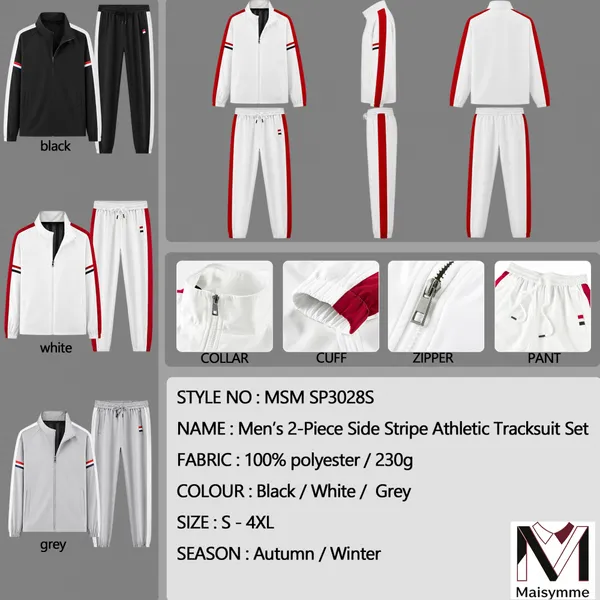
Men’s 2‑Piece Side Stripe Athletic Tracksuit SetUS$ 1.8 - 3.8MOQ: 500 Pieces
-
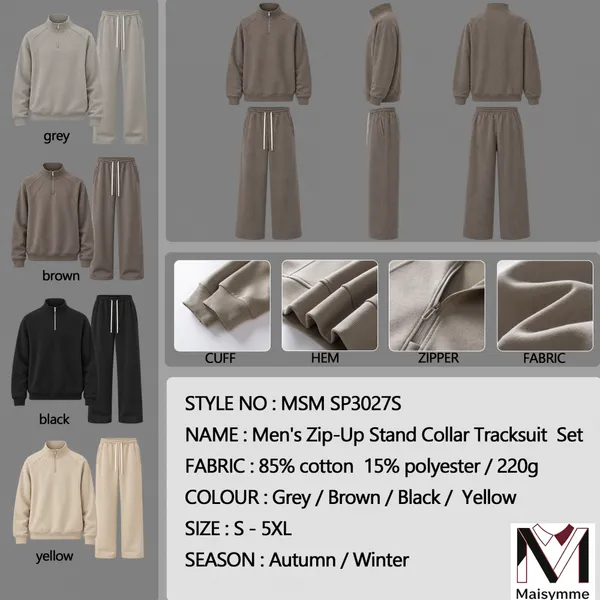
Men's Zip‑Up Stand Collar Tracksuit SetUS$ 1.8 - 3.8MOQ: 500 Pieces
-
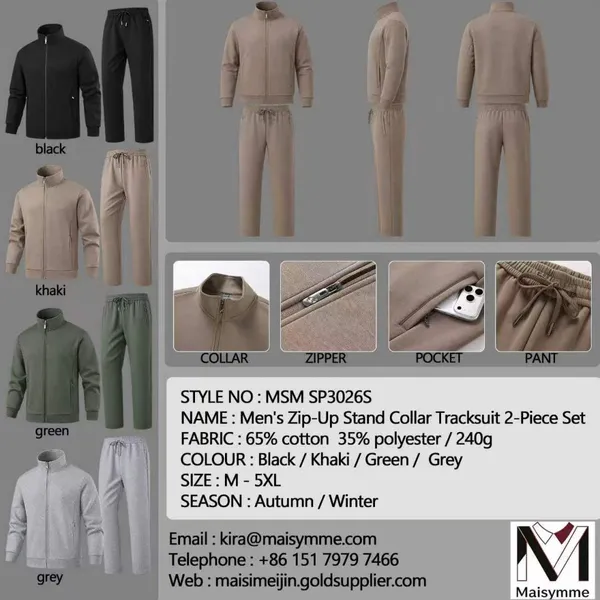
Men's Zip‑Up Stand Collar Tracksuit 2‑Piece SetUS$ 1.8 - 3.8MOQ: 500 Pieces
-
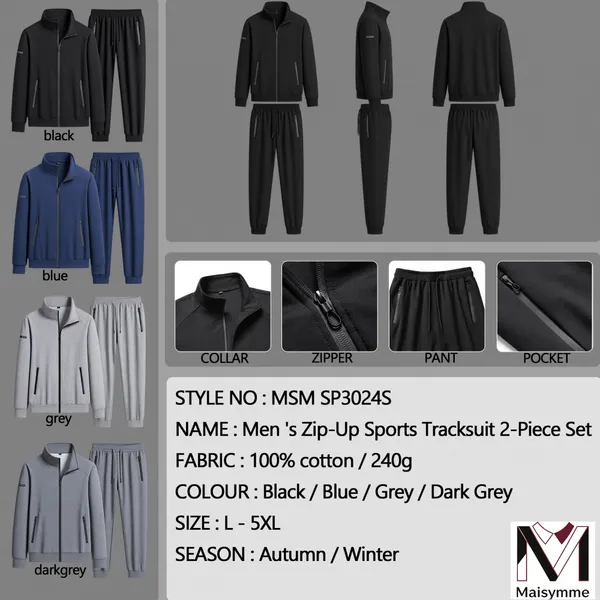
Men 's Zip‑Up Sports Tracksuit 2‑Piece SetUS$ 1.8 - 3.8MOQ: 500 Pieces
-
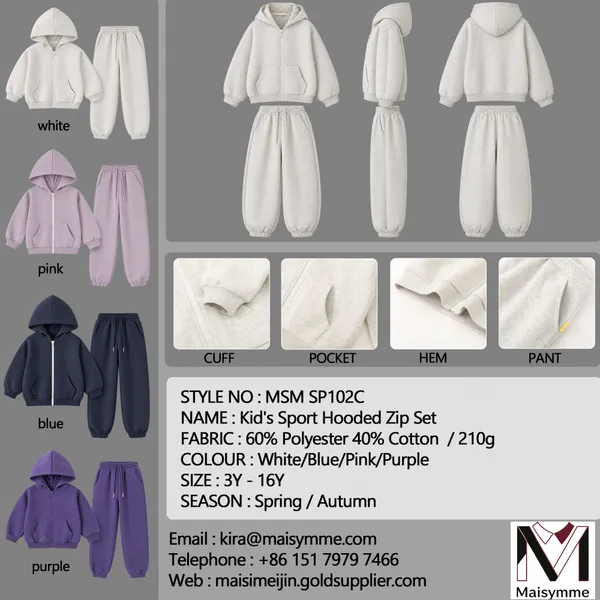
Kid's Sport Hooded Zip SetUS$ 1.8 - 3.8MOQ: 300 Pieces
-
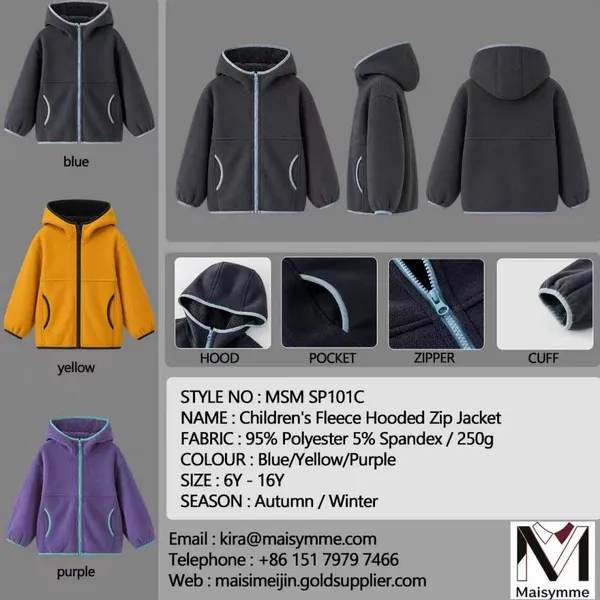
Children's Fleece Hooded Zip JacketUS$ 1.8 - 2.8MOQ: 300 Pieces
-
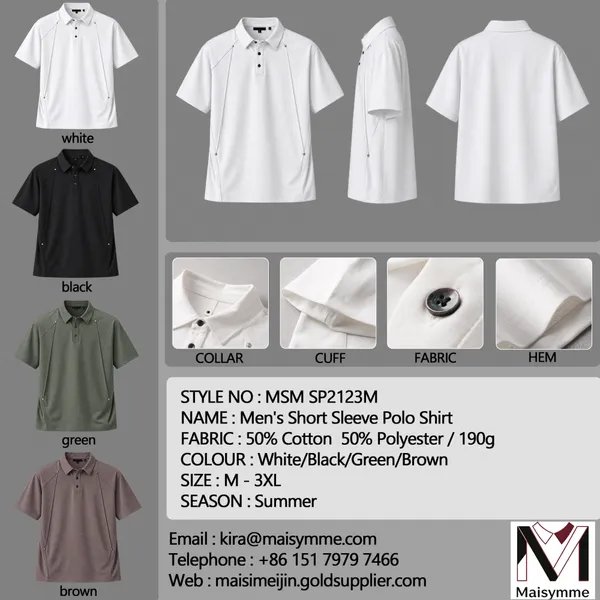
Men's Short Sleeve Polo ShirtUS$ 1.8 - 2.8MOQ: 300 Pieces
-
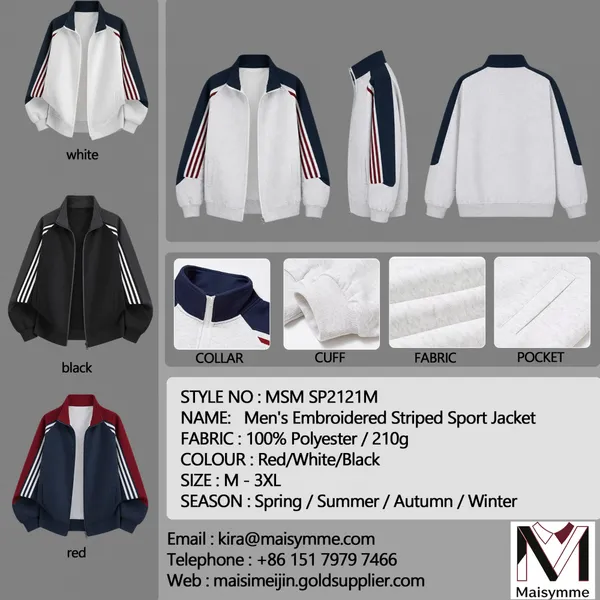
Men's Embroidered Striped Sport JacketUS$ 1.8 - 3.8MOQ: 300 Pieces
-
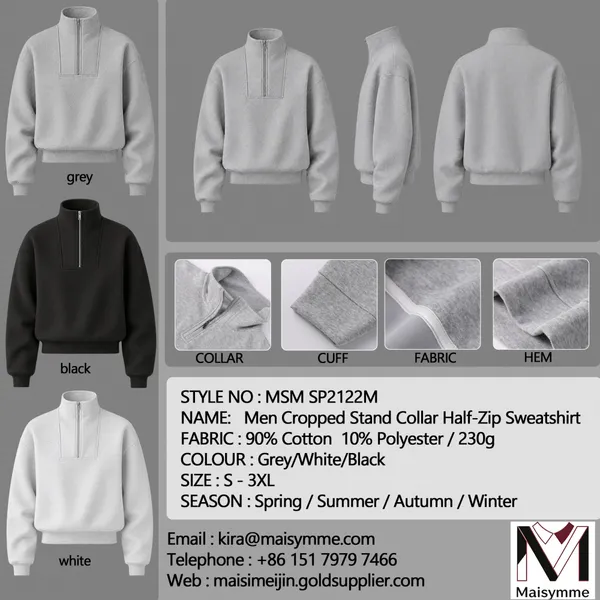
Men's Cropped Stand Collar Half‑Zip SweatshirtUS$ 1.8 - 3.8MOQ: 300 Pieces
-
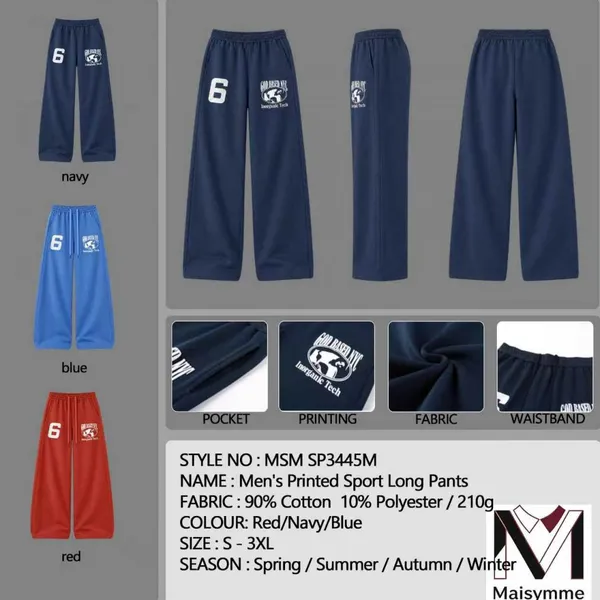
Men's Printed Sport Long PantsUS$ 1.8 - 2.8MOQ: 300 Pieces
-
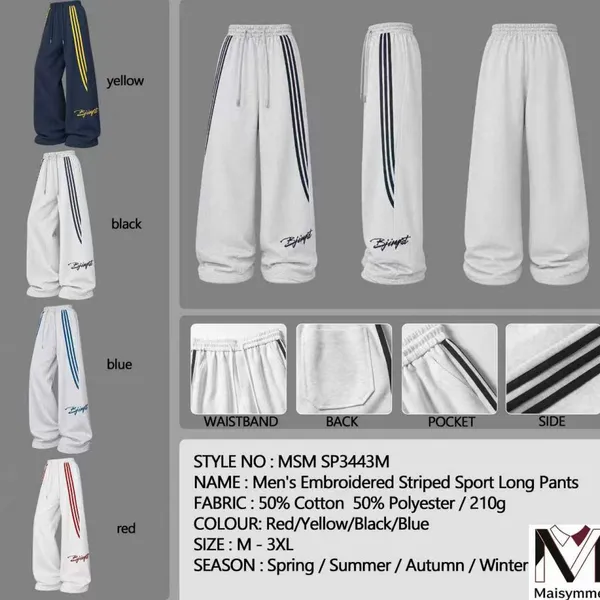
Men's Embroidered Striped Sport Long PantsUS$ 1.8 - 2.8MOQ: 300 Pieces
-
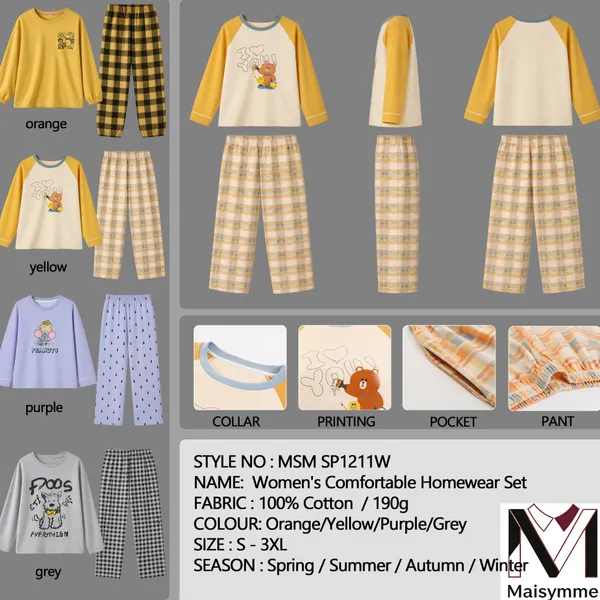
Women's Comfortable Homewear SetUS$ 1.8 - 4.8MOQ: 300 Pieces
-
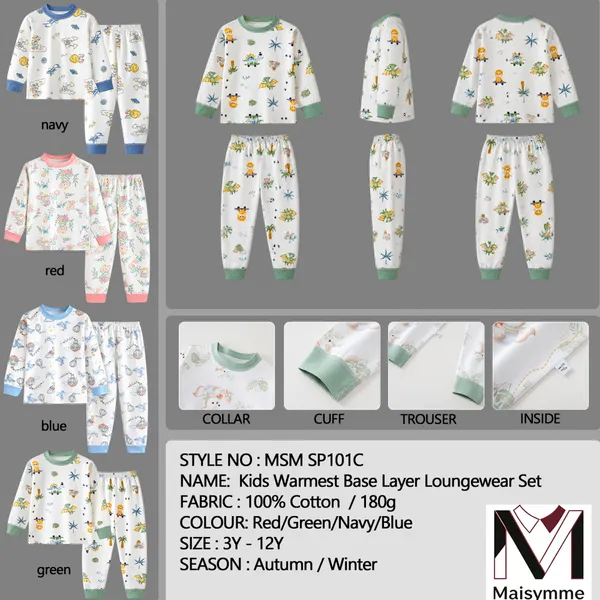
Kids Warmest Base Layer Loungewear SetUS$ 1.8 - 3.8MOQ: 300 Pieces
-
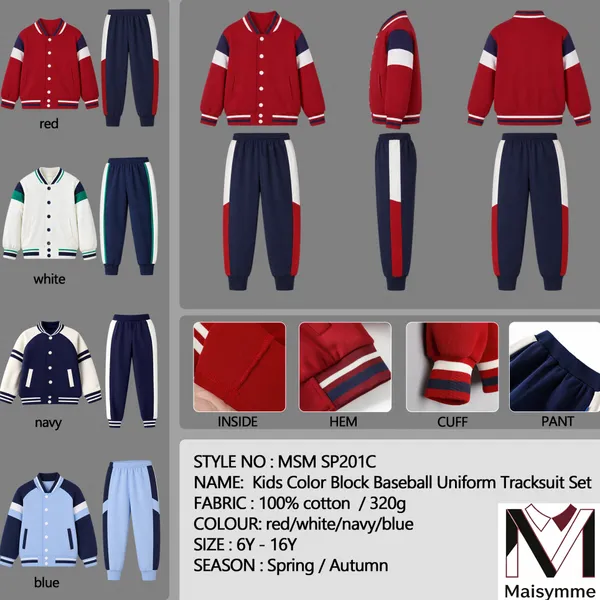
Kids Color Block Baseball Uniform Tracksuit SetUS$ 1.8 - 3.8MOQ: 300 Pieces
-
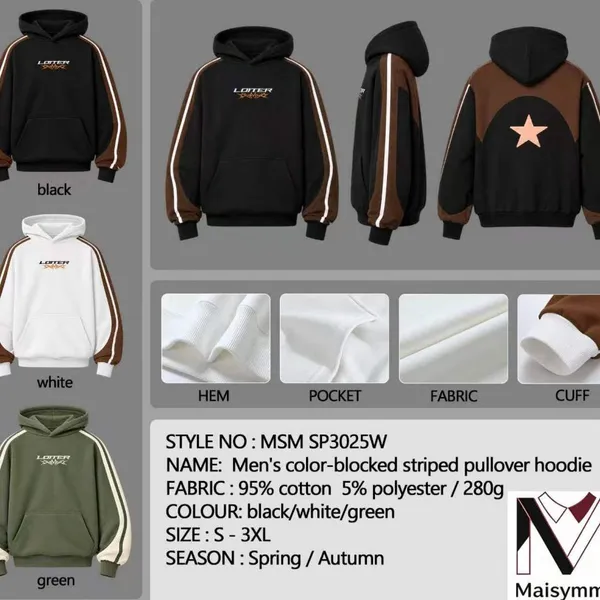
Men's Color-blocked Striped Pullover HoodieUS$ 1.8 - 3.8MOQ: 300 Pieces
-
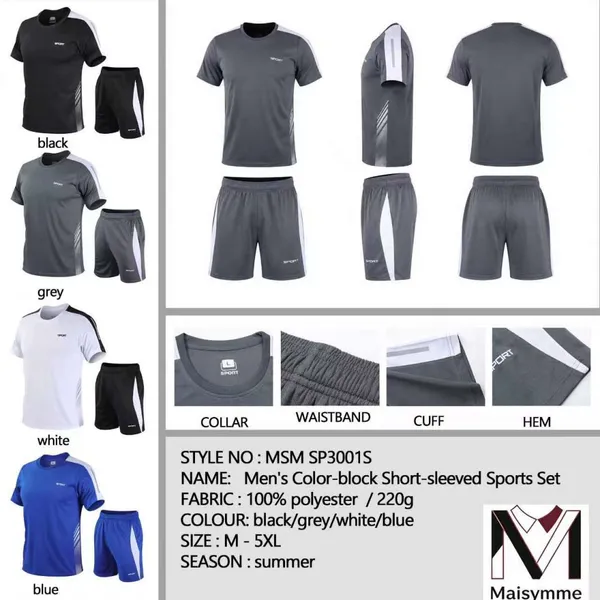
Men's Color-Block Short-sleeved Sports SetUS$ 1.8 - 3.8MOQ: 300 Pieces