 Business License

How to Check Apparel Factory Audit Standards Before Cooperation
Introduction
Selecting a reliable apparel manufacturing partner is one of the most critical decisions for clothing brands, importers and wholesale buyers. Many overseas buyers only focus on price, lead‑time and sample quality at the early stage, but ignore factory compliance, production capacity and quality‑control systems. Problems such as delayed shipments, unstable garment quality, non‑compliant export documents, or social‑compliance risks often appear after mass production starts.
Based on our 10‑year OEM & ODM export experience supplying knit sets, sportswear and kidswear to the USA, Japan, South Africa and other global markets, this blog breaks down practical factory‑audit checkpoints. It covers production capability, quality management, social compliance, documentation and red‑flag warnings, helping new brands complete effective pre‑cooperation evaluation without an on‑site visit.
1. Basic Qualification & Export Documentation Audit
Before diving into workshop details, verify the factory’s basic legal and export qualifications. Unqualified documentation will block customs clearance for your overseas orders.
- Business license: Confirm the factory’s registered business scope includes garment production and manufacturing, check establishment years to understand operation history. A factory with several years of production experience generally has more stable supply‑chain coordination.
- Export‑related credentials: Confirm it has full export qualifications, including customs registration. Ask for past export reports or shipping documents for reference if needed.
- Product certification: For different target markets, confirm available test reports, such as fabric composition test, color fastness, safety test for kidswear. These certificates are essential for customs clearance and local market sales.
- Warning signal: Factories that cannot provide basic business or export papers may act as middlemen instead of real manufacturers.
2. Real Production Capacity & Equipment Inspection
Paper‑only capacity claims are not trustworthy. You can verify real strength via factory tour, live video call, or on‑site photos & videos covering workshops, production lines and warehouses.
2.1 Production line and hardware
- Sewing workshop: Check the number of sewing stations, supporting auxiliary machines for overlock, flatlock, embroidery and heat‑transfer printing. For knitwear orders, confirm whether they have dedicated knit‑garment sewing lines.
- Finishing workshop: Check pressing, inspection, folding and packing stations. Good finishing directly decides the final appearance of knitwear products.
- Warehouse area: Separate storage for raw fabric, accessories and finished goods. Messy warehouse management easily causes fabric contamination, missing accessories or mixed‑up orders.
2.2 Capacity matching with your order
- Ask for monthly output of similar product categories (knit sets, kidswear, sportswear).
- Confirm peak‑season capacity: Many garment factories face tight scheduling in peak seasons. Confirm whether they can guarantee your required delivery date during busy months.
- Warning signal: A small‑scale workshop promises extremely large monthly output far beyond its equipment scale; this usually means part of production will be outsourced to unknown third‑party workshops without your knowledge.
3. Internal Quality Control (QC) System
Quality fluctuation is the top headache for apparel importers. A qualified factory should implement multi‑stage quality checks throughout the whole production flow.
- Pre‑production inspection (PPI): Check incoming fabric, threads, labels and accessories before cutting. Verify fabric weight, color shade and print/embroidery samples match the confirmed pre‑production sample.
- In‑line quality control: QC staff spot‑check garments on sewing lines continuously, to fix stitching defects, size deviation and construction mistakes during production, not only after goods are fully finished.
- Final random inspection (FRI): After finishing and packing, carry out finished‑goods random inspection based on international apparel inspection standards, covering size measurement, workmanship, printing & embroidery, packing condition.
- Sample management: Confirm the factory keeps sealed pre‑production samples for mass‑production reference.
Ask the supplier to share their standard QC checklist. If a factory has no fixed inspection procedure and only checks goods casually before shipment, product defects rate will be much higher.
4. Social & Environmental Compliance Audit
For many western brands and retailers, social compliance is mandatory. Non‑compliance will lead to order cancellation, brand‑reputation risk and retail‑platform rejection.
- Working environment: Safe workshop space, reasonable lighting and ventilation, proper fire‑protection facilities.
- Labor conditions: Normal working hours, no child‑labor risk, standard salary management. Well‑managed export factories often complete third‑party social audits such as BSCI, SEDEX. You may request valid audit reports.
- Environmental requirements: Dyeing and fabric‑related links shall follow local environmental regulations. Especially for custom‑dyed knit fabrics, confirm no illegal‑pollution risks in their cooperating textile mills.
Note: Not every startup brand requires high‑level third‑party audit reports. But you still need to rule out severe non‑compliance risks to protect your brand.
5. Sample Development & Communication Capability
Good manufacturing is not only about machines, but also technical and communication capability for custom OEM / ODM projects.
- Sampling turnaround: Confirm sample‑making cycle for development samples and pre‑production samples. Unreasonable long sample lead time often reflects weak technical capacity.
- Technical‑document acceptance: Check whether the factory can correctly follow your tech‑pack, size spec sheet, artwork files for printing and embroidery. Misunderstanding on technical details will cause mass‑production mistakes.
- Response and problem‑solving attitude: Observe how they reply to your questions. Reliable manufacturers give clear risk reminders about fabric, craftsmanship and lead‑time in advance, instead of promising everything blindly.
6. Key Red Flags You Need To Avoid
- Offers extremely low unit price far below normal market level: Usually comes with hidden risks of downgraded fabric, simplified workmanship or quality cutting‑corners.
- Refuses video walk‑around or factory‑related real‑scene materials, keeps evading questions about production workshop.
- Always gives vague replies on lead‑time, QC rules and liability for defective goods.
- Cannot provide any export test reports for the product category you want to produce.
- Frequently proposes transferring partial production to other unknown subcontractors without prior notification.
7. Practical Audit Workflow For Overseas Buyers Without On‑Site Visit
Most new overseas brands cannot travel to China for factory inspection. Follow this practical remote‑audit workflow:
1. Collect basic documents: business license, export registration, relevant product test reports.
2. Request real‑time video tour covering sewing lines, finishing area, fabric warehouse and packing section.
3. Ask for reference cases: photos, shipping documents of past similar export orders for knitwear, sportswear or kidswear.
4. Place development‑sample order first. Evaluate sample quality, technical understanding and communication efficiency.
5. Arrange small trial mass‑production before large‑volume long‑term cooperation. Monitor quality and shipment status in the trial order.
Summary
Factory audit is not only checking fancy certificates. It focuses on whether the manufacturer’s capacity, QC process and compliance level match your brand’s product positioning and order scale. Third‑party audit reports are valuable references, yet real sample performance and trial‑order result are also important judging standards. For startup brands, completing remote verification plus small trial‑batch cooperation is a low‑risk way to validate a new apparel supplier.
Contact Us
If you are sourcing custom knitwear, sportswear or kidswear from China, welcome to send your tech‑pack, design reference and requirement. We can arrange live‑video factory tour for your team, share our product test reports and past export project references, and offer transparent sampling & production solutions.
Recently Posted
-
Sustainable Knitwear Production: Eco-Friendly Fabrics & Certifications
October 14, 2026Explore sustainable knitwear production for apparel OEM. Learn eco-friendly fabric options, GOTS, OEKO-TEX, GRS certifications and Read More
 -
How to Manage Factory Audit Before Starting Garment OEM Cooperation
October 10, 2026Meta Description: A complete guide on garment factory audit for apparel importers. Learn social compliance, production capacity, q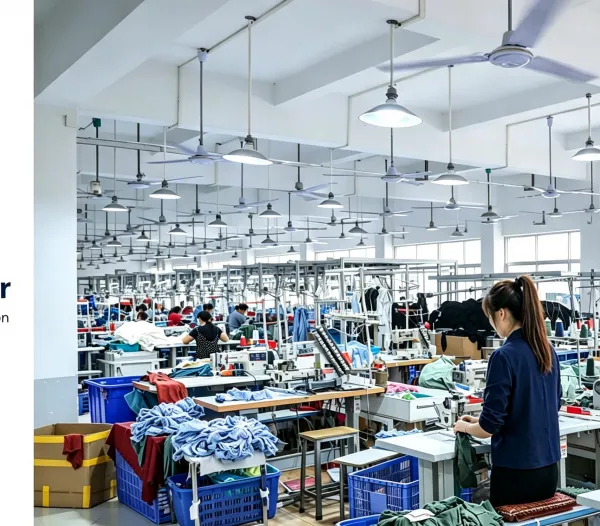 Read More
 -
How to Manage Sample Development for Knitwear OEM: Avoid Common Pitfalls
October 9, 2026Master knitwear sample development workflow for OEM orders. Learn proto‑sample, PP‑sample, pre‑production sample key checkpoints a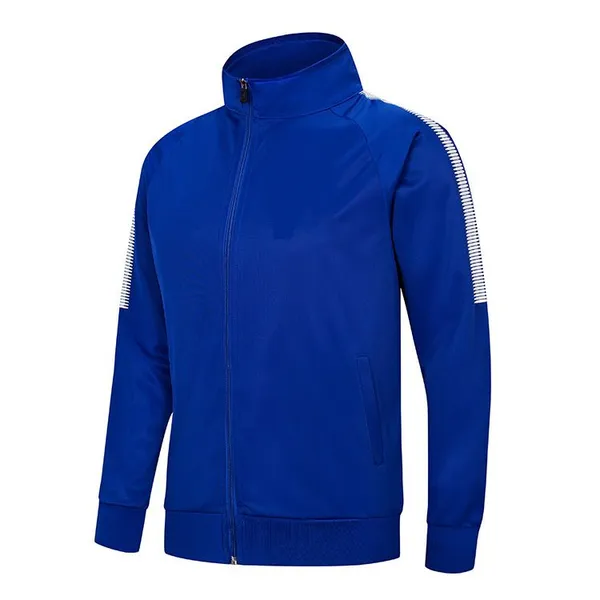 Read More
 -
How to Handle Fabric Shade Variation in Knit Apparel Orders
October 8, 2026Consistent color is one of the most expected yet challenging requirements in knit apparel production. Even with the same color cod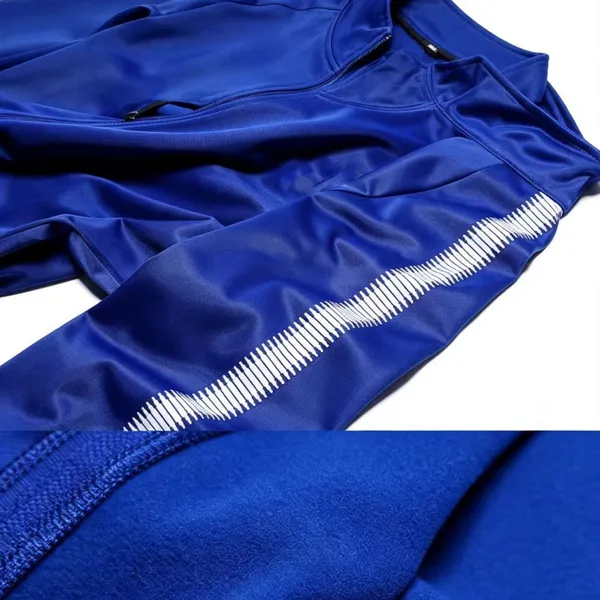 Read More

Contact Us
Recommended Products
-
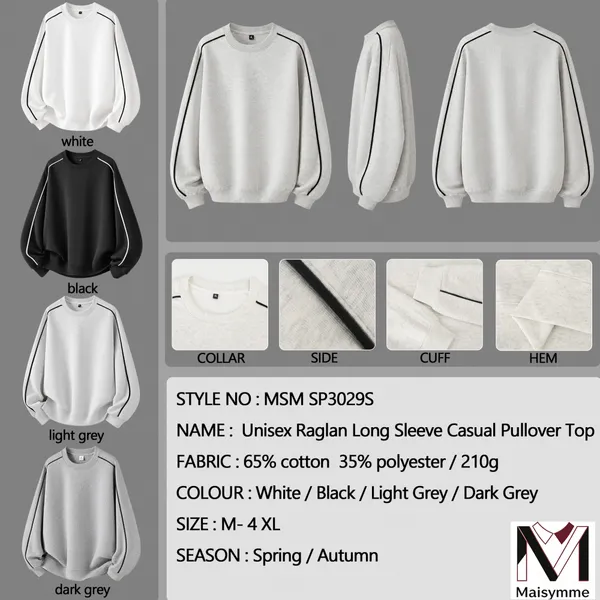
 Wholesale Unisex Raglan Long Sleeve Casual Pullover Top Spring Autumn SweatshirtUS$ 1.8 - 3.8MOQ: 500 Pieces
 -
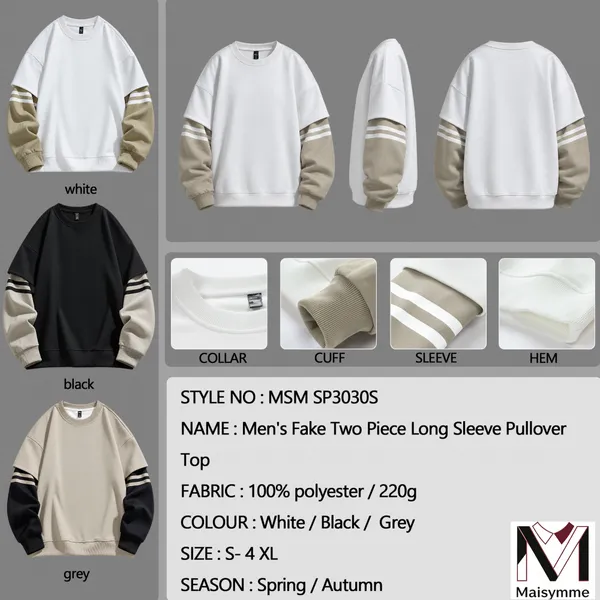
Wholesale Men's Fake Two Piece Long Sleeve Pullover Top 220g 100% Polyester Spring Autumn Casual SweatshirtUS$ 1.8 - 3.8MOQ: 500 Pieces
-
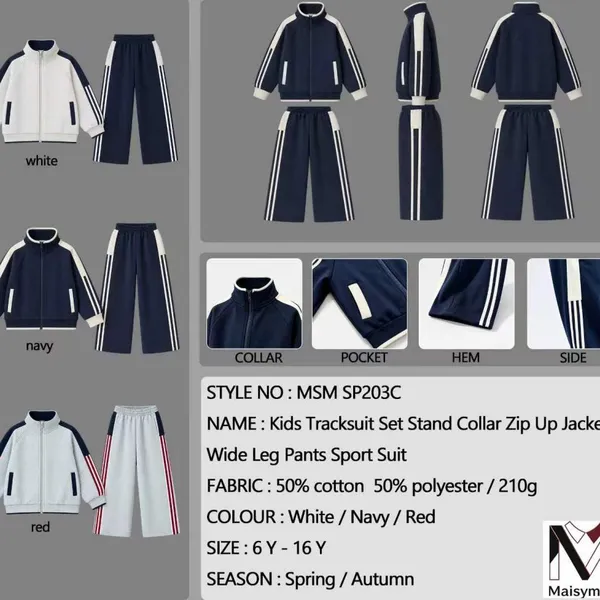
Kids Tracksuit Set Stand Collar Zip Up Jacket + Wide Leg Pants Sport SuitUS$ 1.8 - 3.8MOQ: 500 Pieces
-
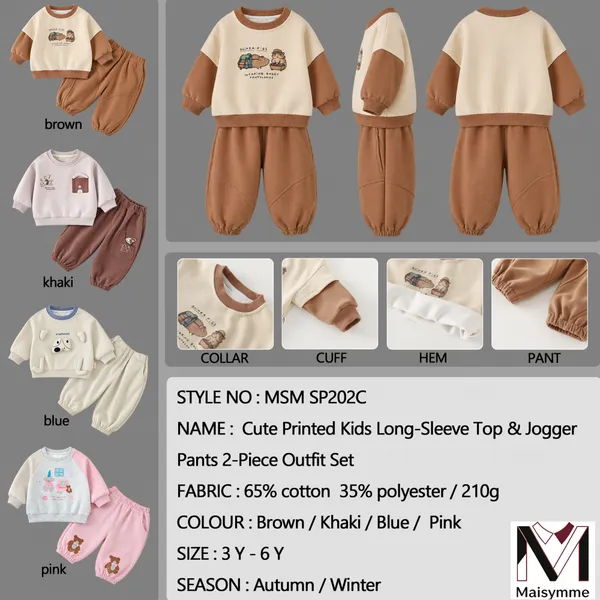
Cute Printed Kids Long‑Sleeve Top & Jogger Pants 2‑Piece Outfit SetUS$ 1.8 - 3.8MOQ: 500 Pieces
-
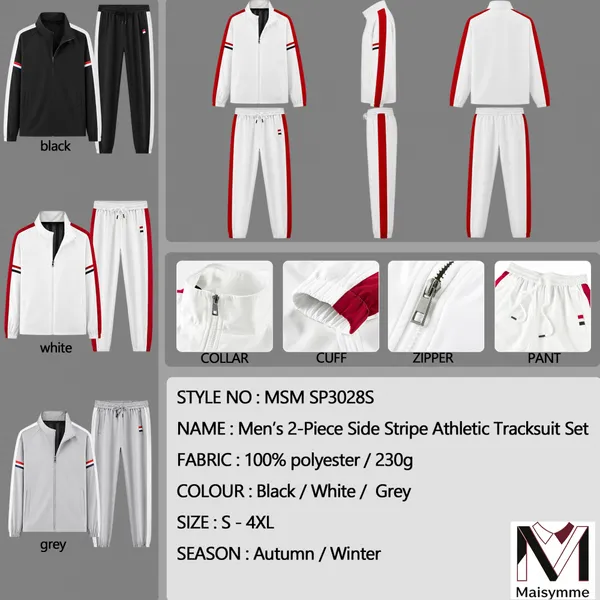
Men’s 2‑Piece Side Stripe Athletic Tracksuit SetUS$ 1.8 - 3.8MOQ: 500 Pieces
-
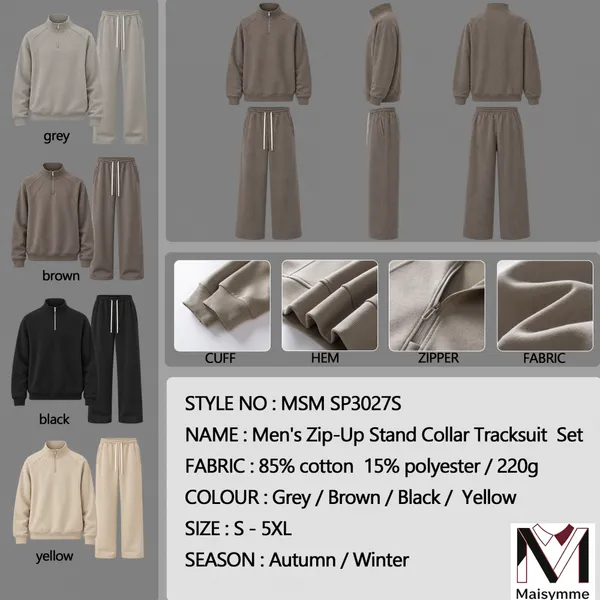
Men's Zip‑Up Stand Collar Tracksuit SetUS$ 1.8 - 3.8MOQ: 500 Pieces
-
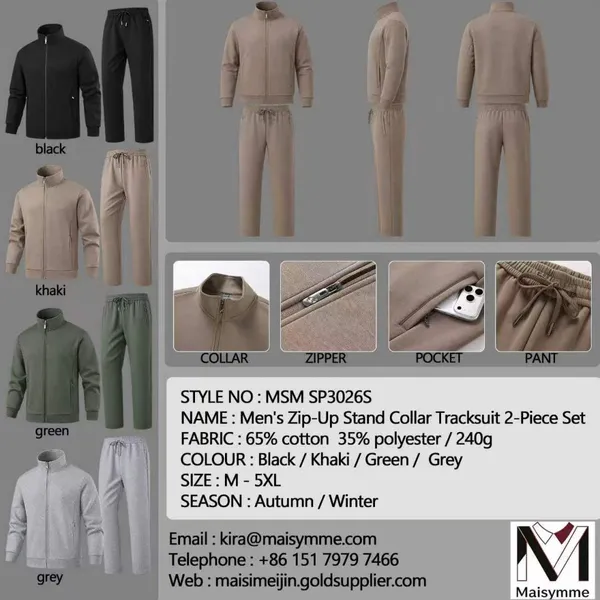
Men's Zip‑Up Stand Collar Tracksuit 2‑Piece SetUS$ 1.8 - 3.8MOQ: 500 Pieces
-
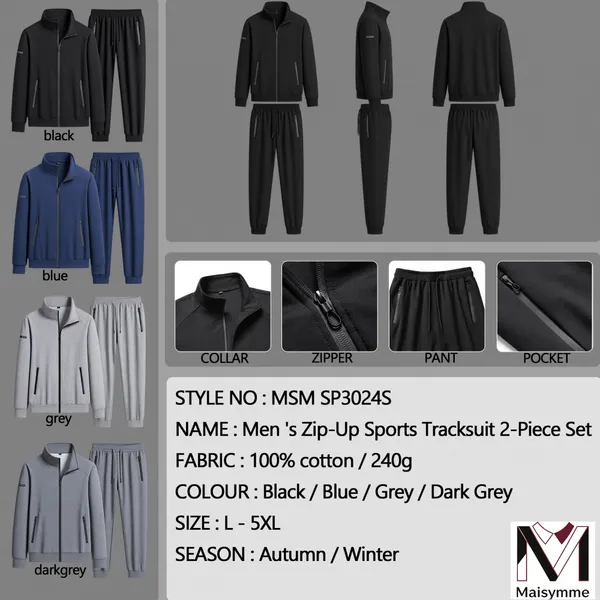
Men 's Zip‑Up Sports Tracksuit 2‑Piece SetUS$ 1.8 - 3.8MOQ: 500 Pieces
-
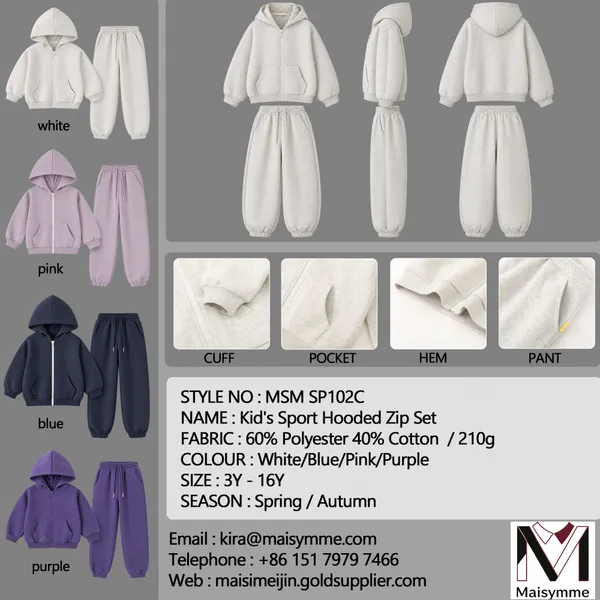
Kid's Sport Hooded Zip SetUS$ 1.8 - 3.8MOQ: 300 Pieces
-
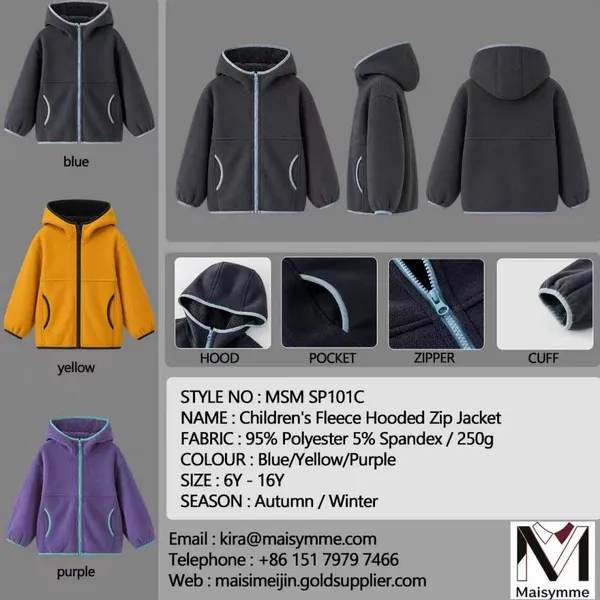
Children's Fleece Hooded Zip JacketUS$ 1.8 - 2.8MOQ: 300 Pieces
-
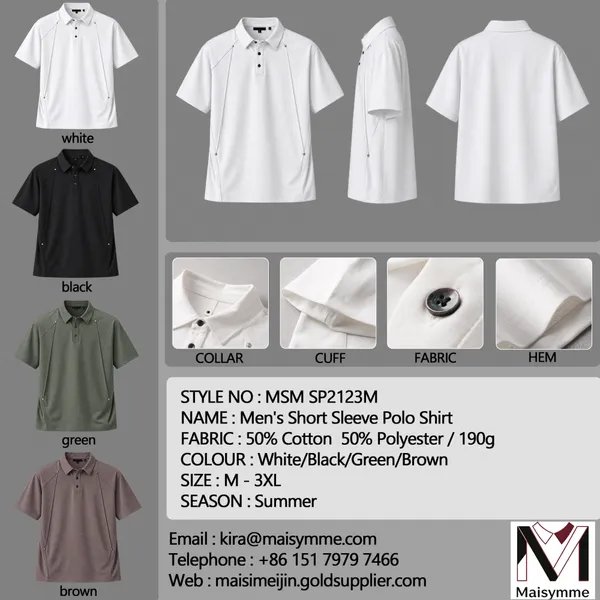
Men's Short Sleeve Polo ShirtUS$ 1.8 - 2.8MOQ: 300 Pieces
-
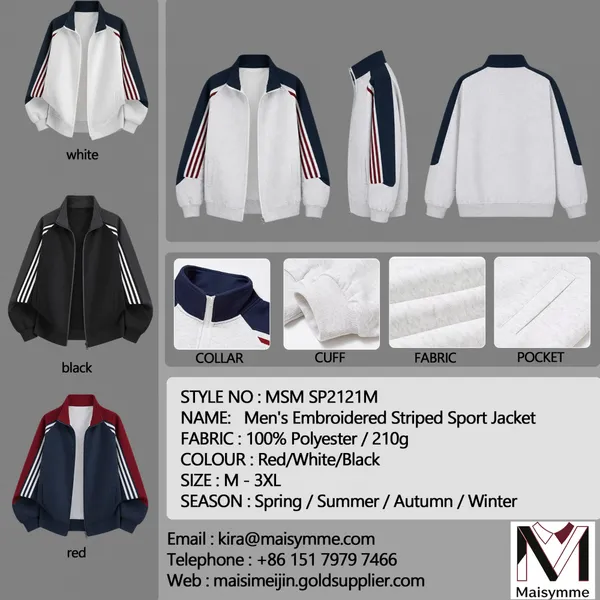
Men's Embroidered Striped Sport JacketUS$ 1.8 - 3.8MOQ: 300 Pieces
-
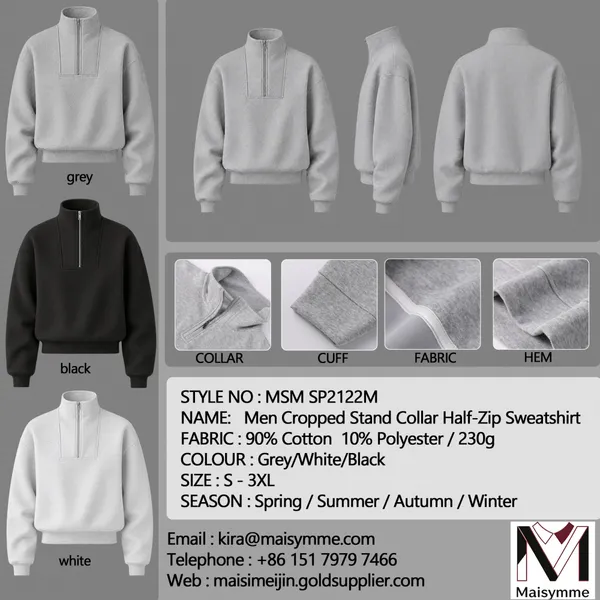
Men's Cropped Stand Collar Half‑Zip SweatshirtUS$ 1.8 - 3.8MOQ: 300 Pieces
-
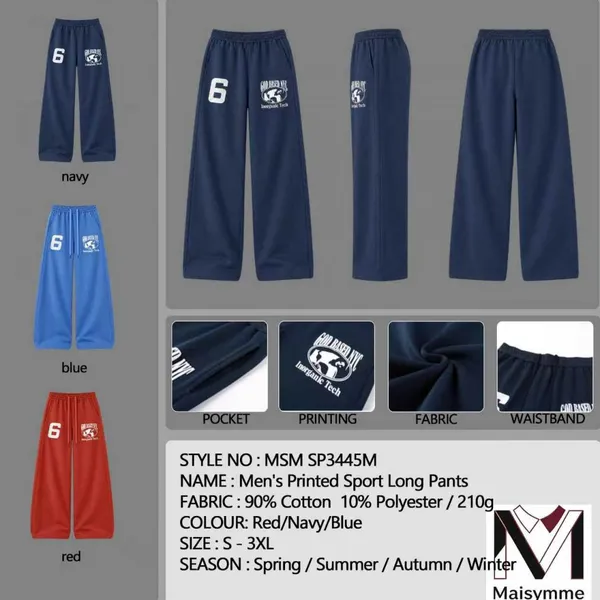
Men's Printed Sport Long PantsUS$ 1.8 - 2.8MOQ: 300 Pieces
-
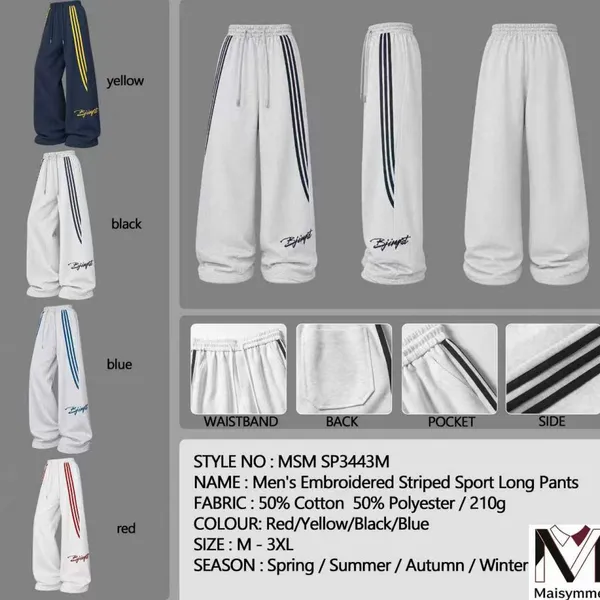
Men's Embroidered Striped Sport Long PantsUS$ 1.8 - 2.8MOQ: 300 Pieces
-
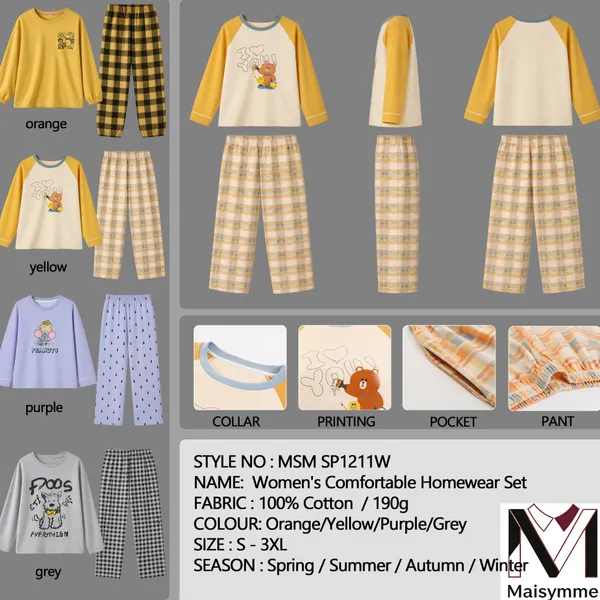
Women's Comfortable Homewear SetUS$ 1.8 - 4.8MOQ: 300 Pieces
-
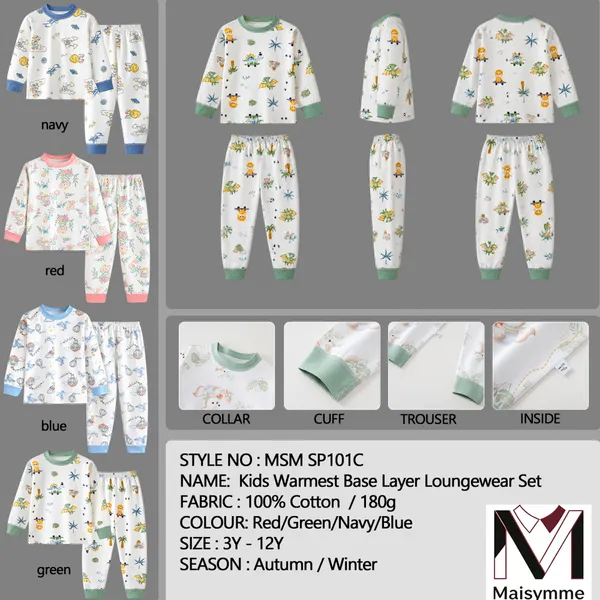
Kids Warmest Base Layer Loungewear SetUS$ 1.8 - 3.8MOQ: 300 Pieces
-
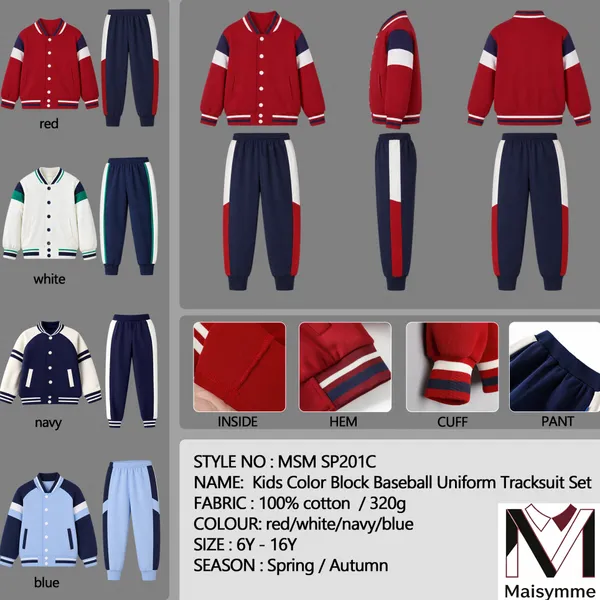
Kids Color Block Baseball Uniform Tracksuit SetUS$ 1.8 - 3.8MOQ: 300 Pieces
-
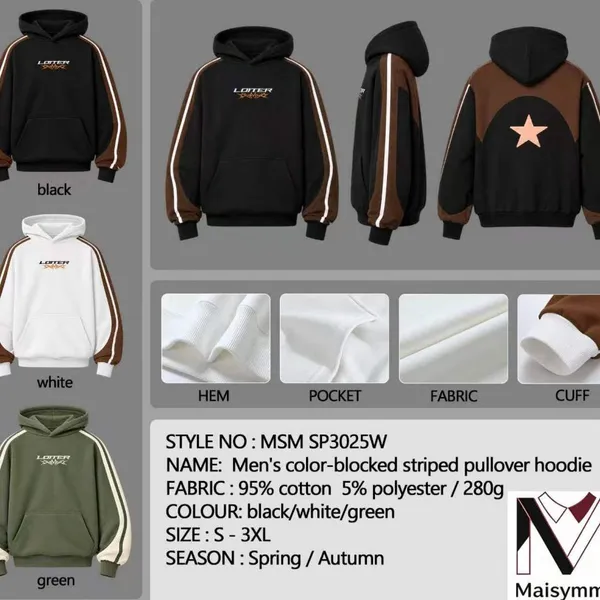
Men's Color-blocked Striped Pullover HoodieUS$ 1.8 - 3.8MOQ: 300 Pieces
-
Men's Color-Block Short-sleeved Sports SetUS$ 1.8 - 3.8MOQ: 300 Pieces