 Business License

How to Handle Size Deviation in Knit Garment Production
Size consistency is one of the biggest headaches for knit apparel manufacturers and buyers. Unlike woven fabrics, knitted materials stretch and recover easily. Even minor changes in yarn tension, fabric relaxation or finishing can cause size deviation, leading to rejected shipments, chargebacks and delayed deliveries.
What Causes Knit Garment Size Variation?
Yarn & Greige Fabric Properties
Different yarn counts, fiber blends (cotton, acrylic, polyester blend) and moisture content affect shrinkage. New yarn batches may behave differently even with the same specification. Unrelaxed fabric will keep shrinking after cutting, which shifts finished measurements.
Knitting Tension
Tension inconsistency on circular knitting machines creates tighter or looser fabric across rolls. Tighter fabric results in smaller finished sizes; loose fabric becomes larger after washing.
Cutting Stage
Fabric laying time is critical. Knit fabric must rest flat to release internal tension before cutting. If cutting starts immediately after unrolling, fabric will shrink after sewing and washing, causing shorter lengths.
Sewing & Finishing Process
Stretching during sewing, overlock pulling, steam pressing and washing/stone washing all impact dimensions. Too much steam pressure can compress fabric; over-stretching during pressing artificially lengthens garments which will bounce back later.
Measurement Method Difference
This is a frequent communication gap. Buyers and factories may measure the same point differently: some measure garment laid flat without tension, others pull slightly. Different reference points for shoulder, chest and sleeve create “false size errors”.
Practical QC Controls to Prevent Size Deviation
✅ Pre-production sample check: Confirm measurement tolerance together with buyer, define official measuring method and mark all measurement points on spec sheet. Tolerance range should be agreed before bulk start.
✅ Fabric pre-relaxation: Schedule fabric resting time. For most knits, 12–24 hours relaxation is recommended before cutting. For high shrink yarn, perform pre-shrink treatment.
✅ Test wash sample from every fabric batch. Record wash shrinkage rate and adjust cutting pattern accordingly to compensate shrinkage.
✅ In-line size checking: Randomly pick garments at sewing station, not only final inspection. Check sizes after sewing and again after wet finishing / steam pressing.
✅ Standardize measurement SOP: All QC staff follow the same rule – lay garment flat, no manual stretching. Take measurements at specified points, log records per lot.
Remedies When Bulk Already Has Size Deviation
If deviation is within agreed tolerance: Document test reports, send photos & measurement data for buyer confirmation before shipment.
Slightly out of tolerance: Check if re-pressing can adjust size, test on a few pieces first. Never over-press as it is temporary.
Serious out-of-tolerance: Cannot be fixed by pressing. Notify customer immediately, evaluate rework feasibility or negotiate resolution rather than hiding defects and shipping.
Key Takeaway
Size deviation in knitwear is almost unavoidable to some degree. Good OEM factories do not aim for zero variation, but control variation within the agreed tolerance and eliminate unexpected big shifts. Early fabric shrinkage testing, sufficient relaxation, and aligned measurement standards are the most effective way to avoid costly size claims.
If you are sourcing knitwear OEM partner, choose a factory that runs systematic size testing from fabric stage through finished goods inspection.
Cover image prompt (English)
Minimal clean cover, pure white background, apparel QC scene. Soft flat lay of knitted sweater with fabric measuring tape, simple technical sketch of garment measurement points. Muted blue and off-white tone, no clutter, commercial B2B blog cover, high resolution, sharp focus.
Recently Posted
-
Sustainable Knitwear Production: Eco-Friendly Fabrics & Certifications
October 14, 2026Explore sustainable knitwear production for apparel OEM. Learn eco-friendly fabric options, GOTS, OEKO-TEX, GRS certifications and Read More
 -
How to Manage Factory Audit Before Starting Garment OEM Cooperation
October 10, 2026Meta Description: A complete guide on garment factory audit for apparel importers. Learn social compliance, production capacity, q Read More
 -
How to Manage Sample Development for Knitwear OEM: Avoid Common Pitfalls
October 9, 2026Master knitwear sample development workflow for OEM orders. Learn proto‑sample, PP‑sample, pre‑production sample key checkpoints a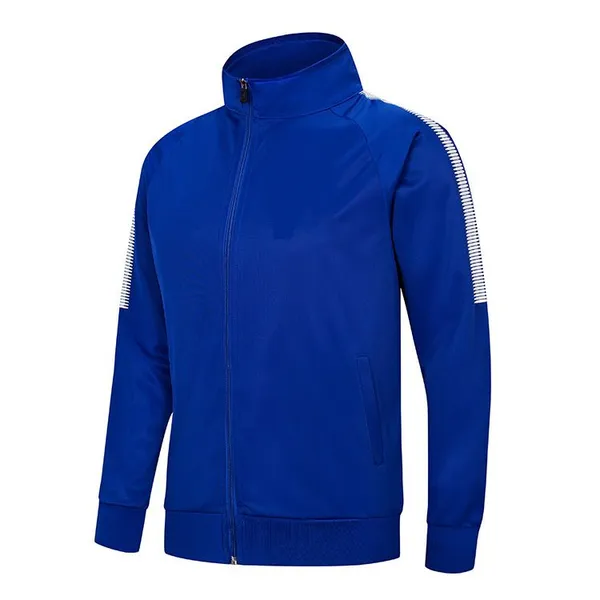 Read More
 -
How to Handle Fabric Shade Variation in Knit Apparel Orders
October 8, 2026Consistent color is one of the most expected yet challenging requirements in knit apparel production. Even with the same color cod Read More

Contact Us
Recommended Products
-
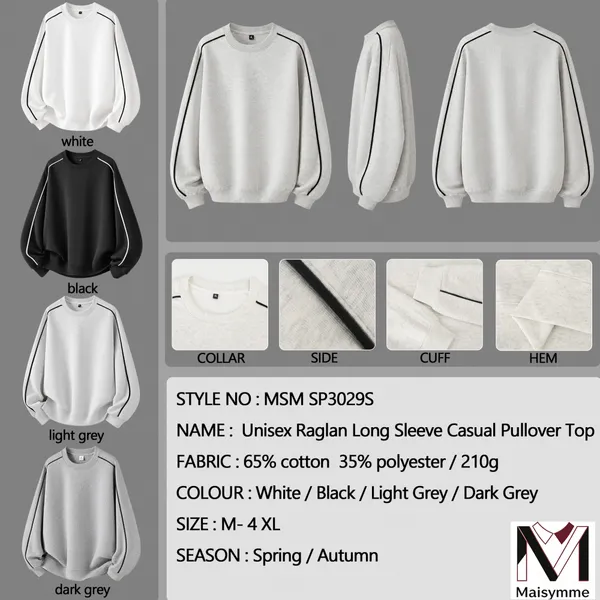
 Wholesale Unisex Raglan Long Sleeve Casual Pullover Top Spring Autumn SweatshirtUS$ 1.8 - 3.8MOQ: 500 Pieces
 -
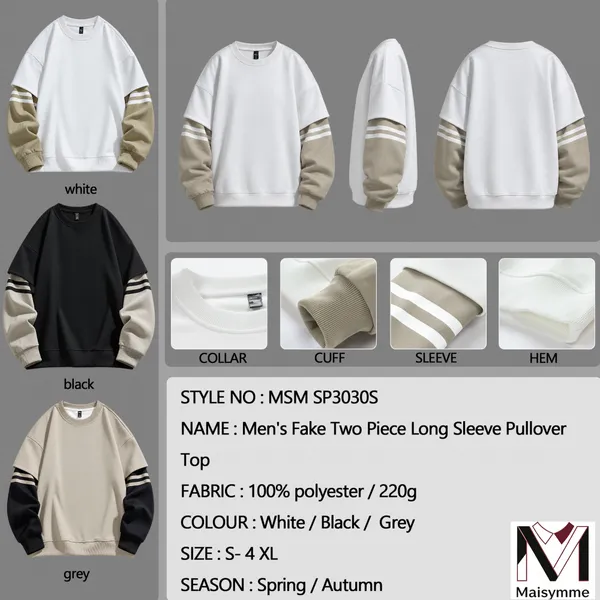
Wholesale Men's Fake Two Piece Long Sleeve Pullover Top 220g 100% Polyester Spring Autumn Casual SweatshirtUS$ 1.8 - 3.8MOQ: 500 Pieces
-
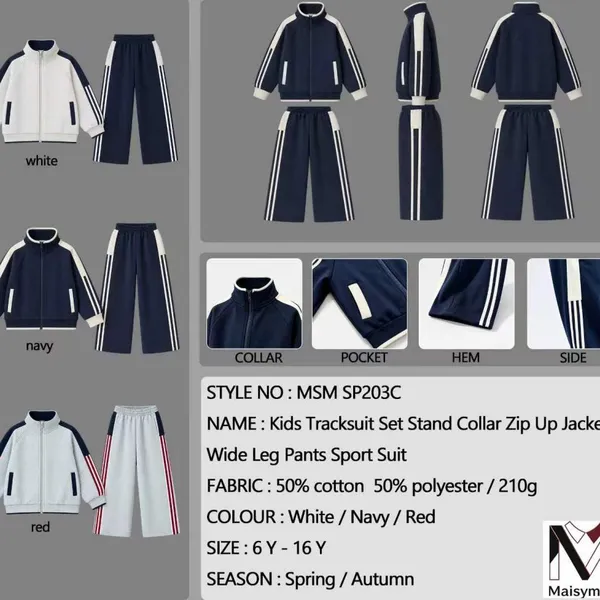
Kids Tracksuit Set Stand Collar Zip Up Jacket + Wide Leg Pants Sport SuitUS$ 1.8 - 3.8MOQ: 500 Pieces
-
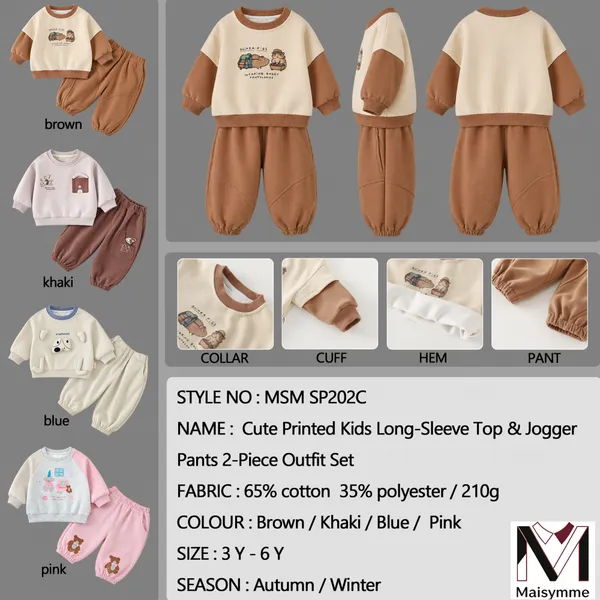
Cute Printed Kids Long‑Sleeve Top & Jogger Pants 2‑Piece Outfit SetUS$ 1.8 - 3.8MOQ: 500 Pieces
-
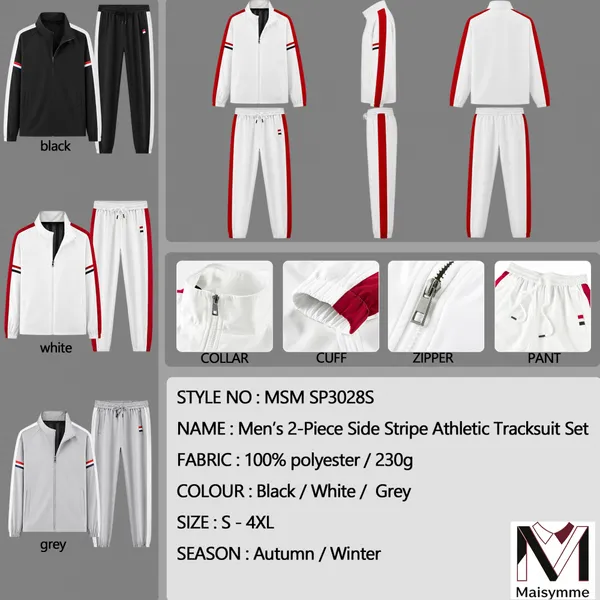
Men’s 2‑Piece Side Stripe Athletic Tracksuit SetUS$ 1.8 - 3.8MOQ: 500 Pieces
-
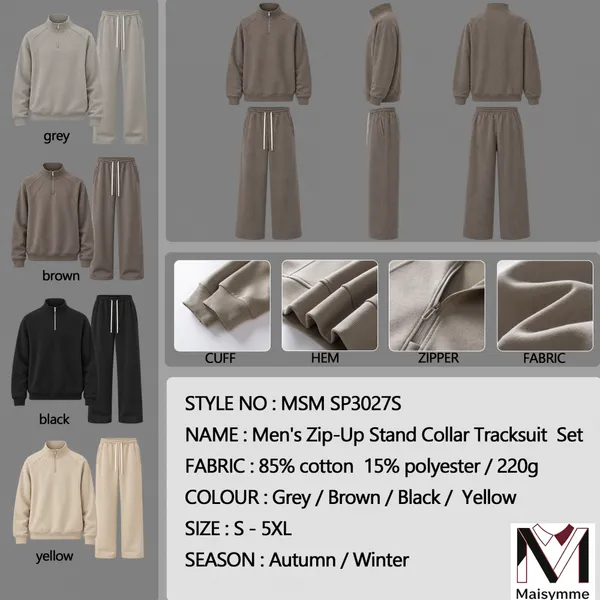
Men's Zip‑Up Stand Collar Tracksuit SetUS$ 1.8 - 3.8MOQ: 500 Pieces
-
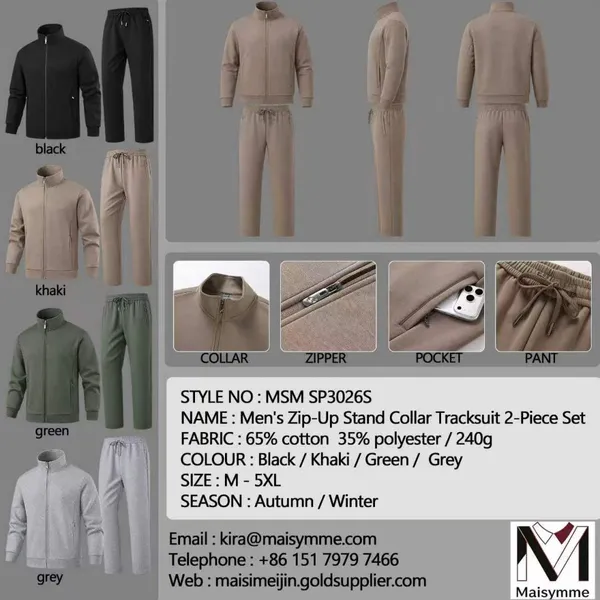
Men's Zip‑Up Stand Collar Tracksuit 2‑Piece SetUS$ 1.8 - 3.8MOQ: 500 Pieces
-
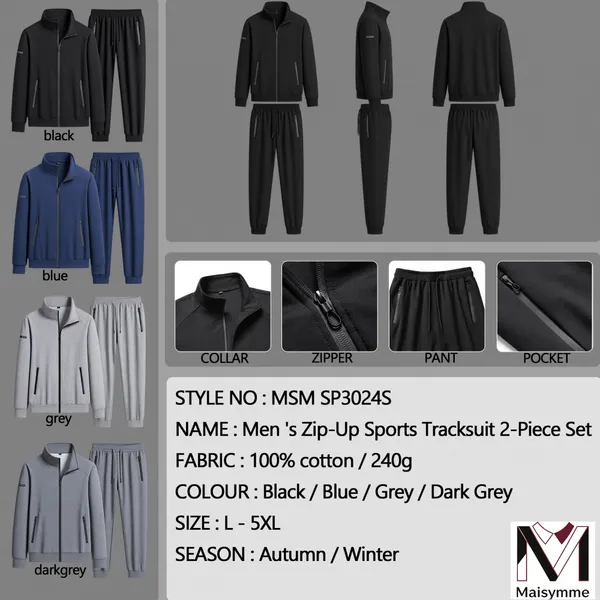
Men 's Zip‑Up Sports Tracksuit 2‑Piece SetUS$ 1.8 - 3.8MOQ: 500 Pieces
-
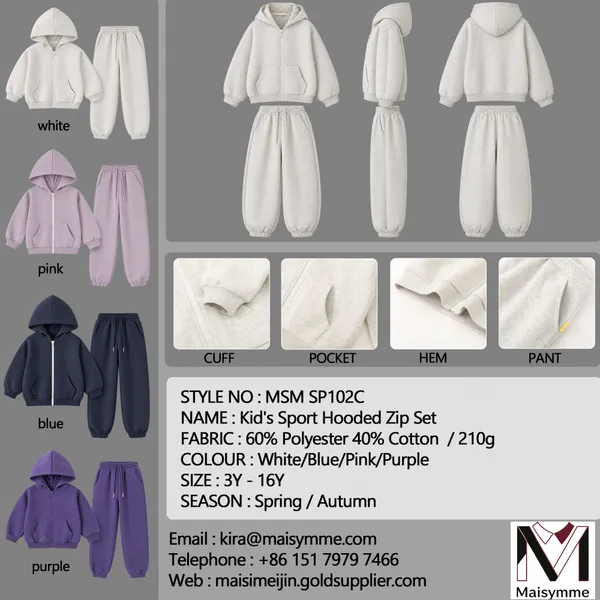
Kid's Sport Hooded Zip SetUS$ 1.8 - 3.8MOQ: 300 Pieces
-
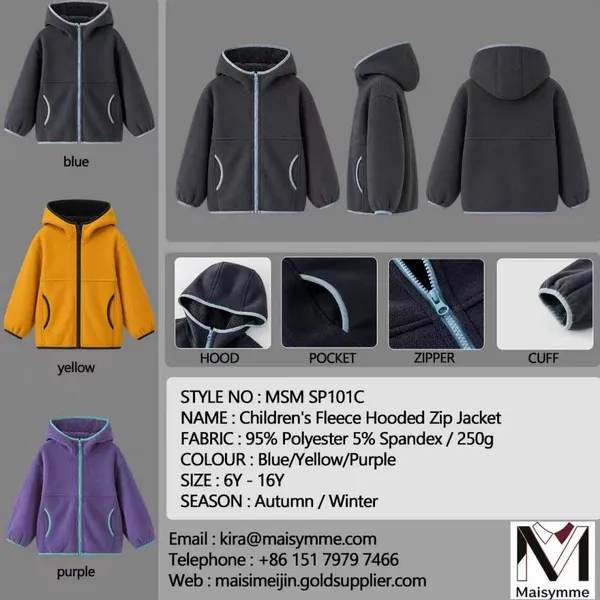
Children's Fleece Hooded Zip JacketUS$ 1.8 - 2.8MOQ: 300 Pieces
-
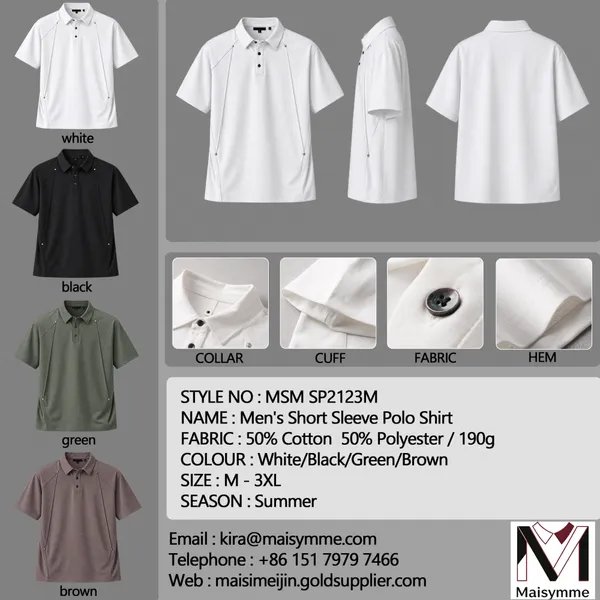
Men's Short Sleeve Polo ShirtUS$ 1.8 - 2.8MOQ: 300 Pieces
-
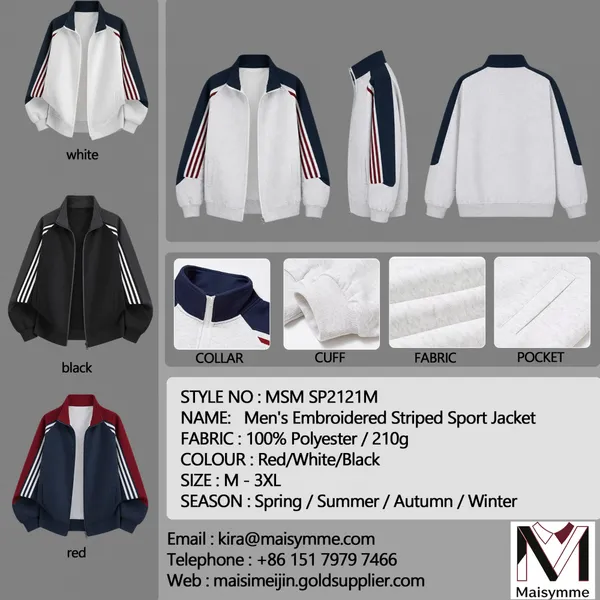
Men's Embroidered Striped Sport JacketUS$ 1.8 - 3.8MOQ: 300 Pieces
-
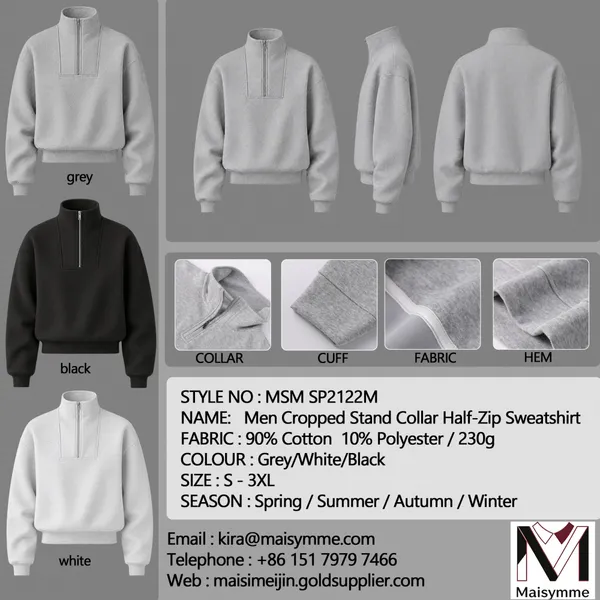
Men's Cropped Stand Collar Half‑Zip SweatshirtUS$ 1.8 - 3.8MOQ: 300 Pieces
-
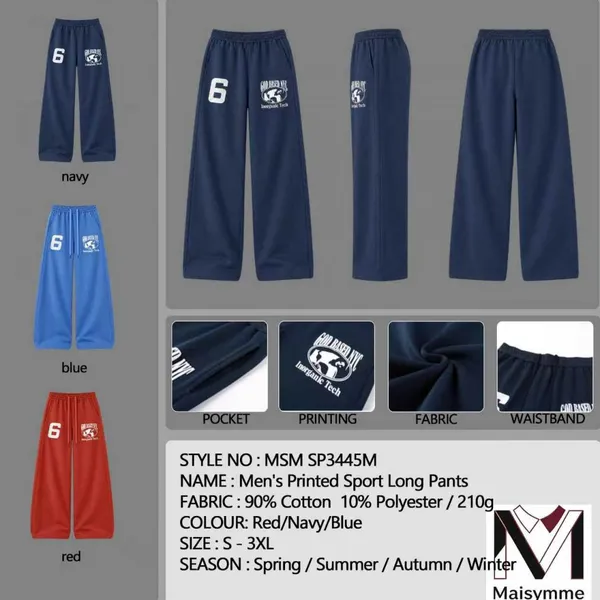
Men's Printed Sport Long PantsUS$ 1.8 - 2.8MOQ: 300 Pieces
-
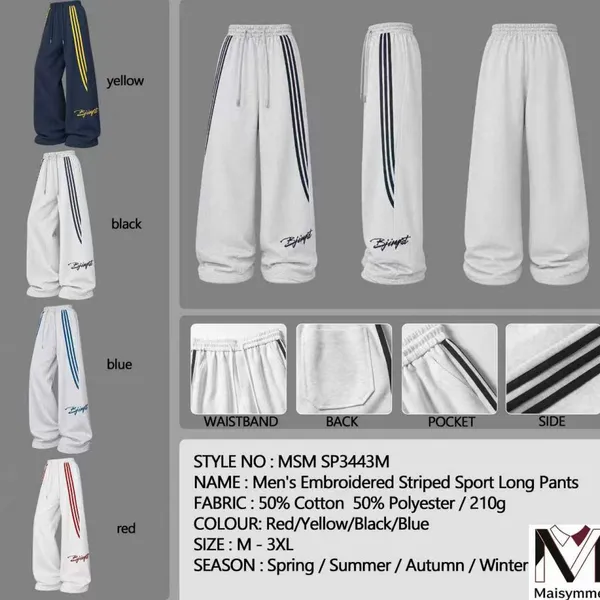
Men's Embroidered Striped Sport Long PantsUS$ 1.8 - 2.8MOQ: 300 Pieces
-
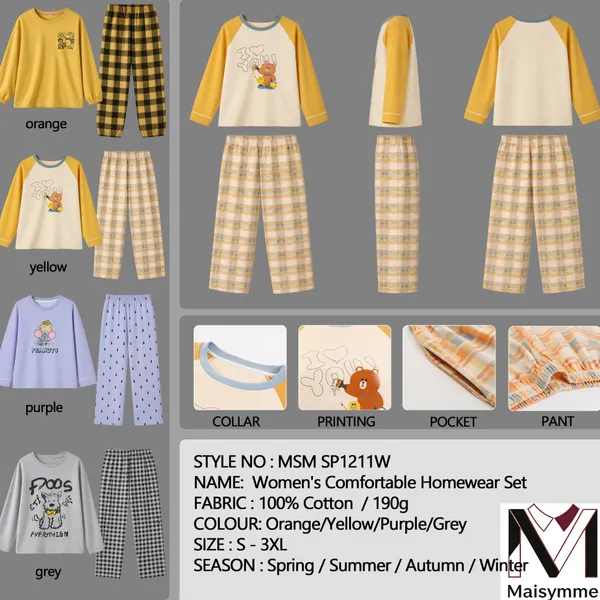
Women's Comfortable Homewear SetUS$ 1.8 - 4.8MOQ: 300 Pieces
-
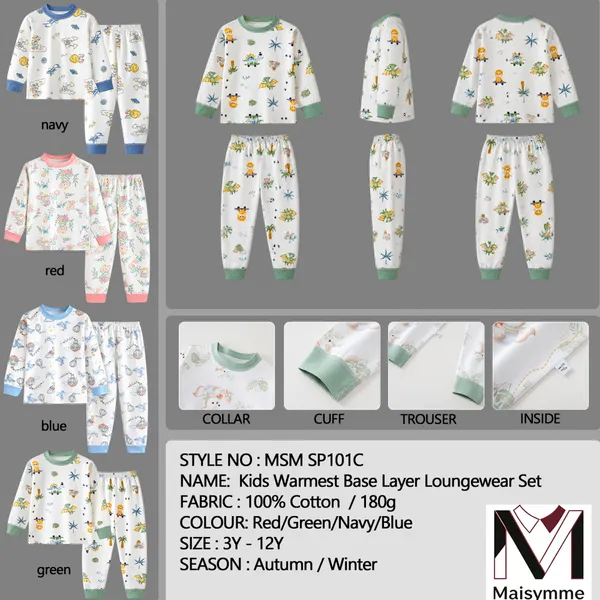
Kids Warmest Base Layer Loungewear SetUS$ 1.8 - 3.8MOQ: 300 Pieces
-
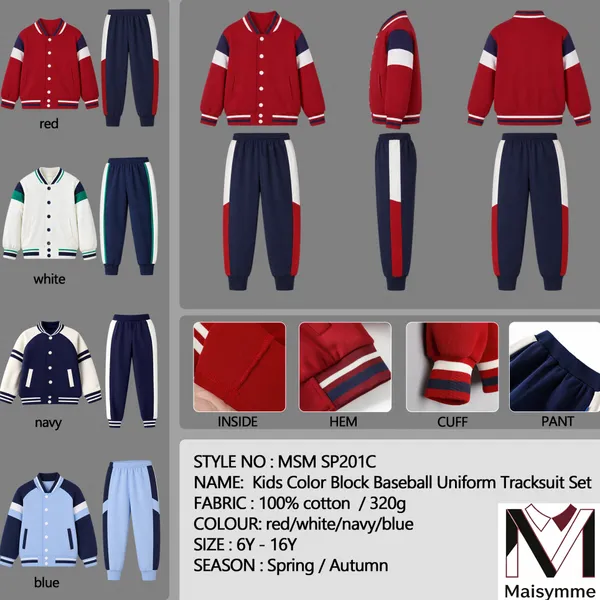
Kids Color Block Baseball Uniform Tracksuit SetUS$ 1.8 - 3.8MOQ: 300 Pieces
-
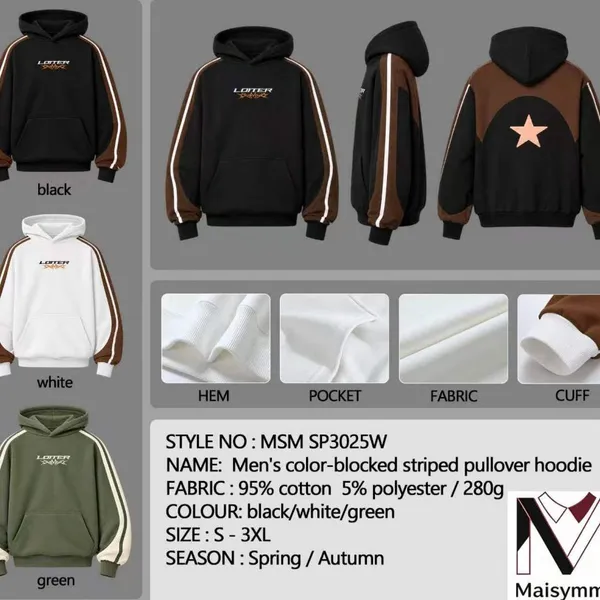
Men's Color-blocked Striped Pullover HoodieUS$ 1.8 - 3.8MOQ: 300 Pieces
-
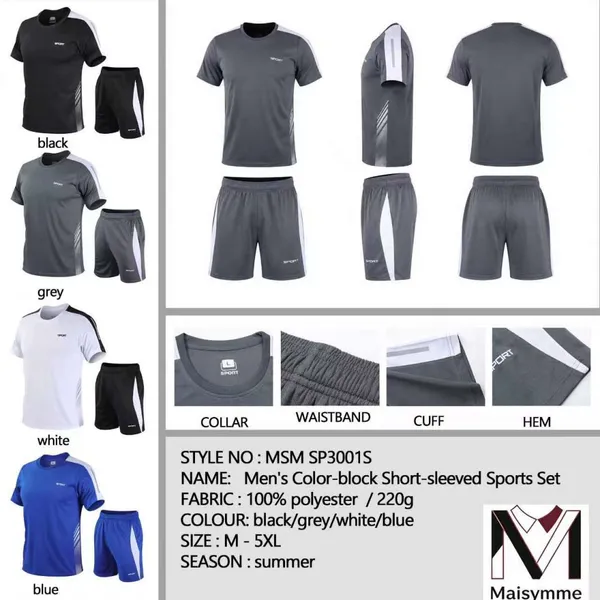
Men's Color-Block Short-sleeved Sports SetUS$ 1.8 - 3.8MOQ: 300 Pieces